Adult supporting a child during a play-based learning activity

Support for the whole family

Practical ABA parent training for everyday life.

Parent training helps caregivers understand the plan, practice useful strategies, and support their child during the routines and relationships that continue beyond therapy sessions.

Now accepting new clients. In-home availability varies by address and schedule.

Raleigh clinic1110 Navaho Dr, Suite 150Directions
Service areaRaleigh and five nearby communitiesCheck your area
InsuranceMedicaid, commercial plans, and private payReview payment options
QuestionsTalk with the Bright Minds team(919) 438-3438
Practical strategiesOngoing guidanceShared prioritiesEveryday routines

What ABA parent training can include.

Families bring knowledge that cannot be replaced by a clinical session: what matters at home, what routines are difficult, what motivates the child, and what progress would make daily life more manageable.

Parent training turns that knowledge into shared planning. Guidance is connected to the child’s goals and adapted to the family’s routines rather than delivered as generic advice.

Strategies designed to be usable.

Training may include explanation, demonstration, supported practice, feedback, and problem solving around real situations. The emphasis is on approaches caregivers can understand and use consistently.

Progress information also helps families see what is changing, ask informed questions, and participate in decisions about next steps.

Part of individualized ABA services.

Parent training is available as part of Bright Minds ABA’s family-centered services for Raleigh-area families. The exact format depends on the child’s plan and the family’s needs.

Contact Bright Minds to discuss current services, insurance coverage, and what caregiver support could look like for your family.

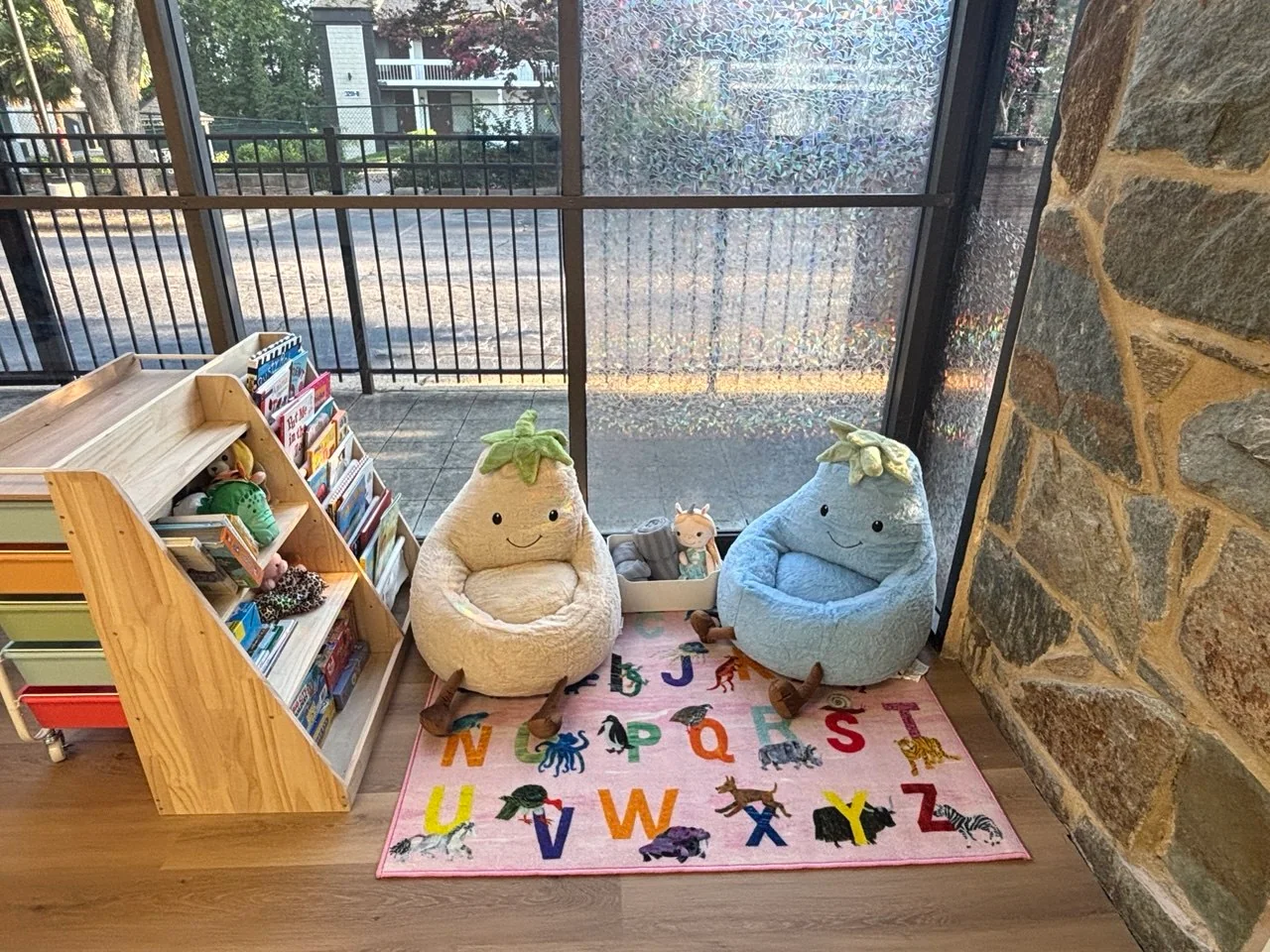
Comfortable family learning space inside the Bright Minds ABA clinic

Clear, practical support

What ABA parent training can include.

Goals connected to daily life

Programs focus on useful participation, communication, independence, play, flexibility, and routines selected with the family. Goals are adjusted as the child learns.

Caregiver communication

Families receive explanations, progress information, and opportunities to ask questions. Guidance is connected to real situations rather than generic advice.

Ongoing clinical review

Data and observation help the clinical team review progress, refine teaching, and determine when goals, supports, or service arrangements should change.

Getting started

How ABA therapy begins at Bright Minds.

  1. 1

    Request a conversation

    Tell us your location, the support you are exploring, and your insurance plan. You do not need to choose a final service setting first.

  2. 2

    Review insurance

    We talk through your plan, the diagnosis and authorization steps it may require, and private-pay options. Your insurer confirms final benefits.

  3. 3

    BCBA assessment

    A Board Certified Behavior Analyst gets to know your child’s strengths, communication, interests, routines, and the priorities that matter to your family.

  4. 4

    Therapy begins

    If Bright Minds is a fit, goals, service setting, caregiver support, and scheduling are shaped around the assessment and reviewed as your child progresses.

Parent perspective, clinical expertise

Meet the BCBA who leads your child’s care.

Hanna “Anya” Tuzova, MA, BCBA, LBA

Bright Minds’ founder and clinical director came to this work first as a parent searching for effective support for her son. More than 12 years of personal and professional experience now informs Bright Minds’ individualized, family-centered approach.

Bright Minds combines evidence-based ABA with attention to play, sensory needs, communication, relationships, and the child’s life outside therapy.

Meet Anya and learn about the approach

Compare your options

Find the setting and next step that fit your family.

Explore in-home ABA therapy, visit the Raleigh clinic page, review insurance and payment information, or check the complete Raleigh-area service map.

Request a callCall (919) 438-3438

No obligation to begin services.

Frequently asked questions

Frequently asked questions about ABA parent training in Raleigh, NC.

What happens during ABA parent training?

Caregivers receive explanation, practical strategies, supported practice, and guidance connected to the child’s individualized goals and family routines.

Is parent training only for in-home ABA?

No. Caregiver partnership can support children receiving in-home, clinic-based, or group services.

Can parent training address specific family routines?

Yes. Guidance can be shaped around the situations and priorities that matter to the child and family.

Now accepting new clients

Start with a conversation.

Tell us what support you are looking for, and we will help you understand the next step.